


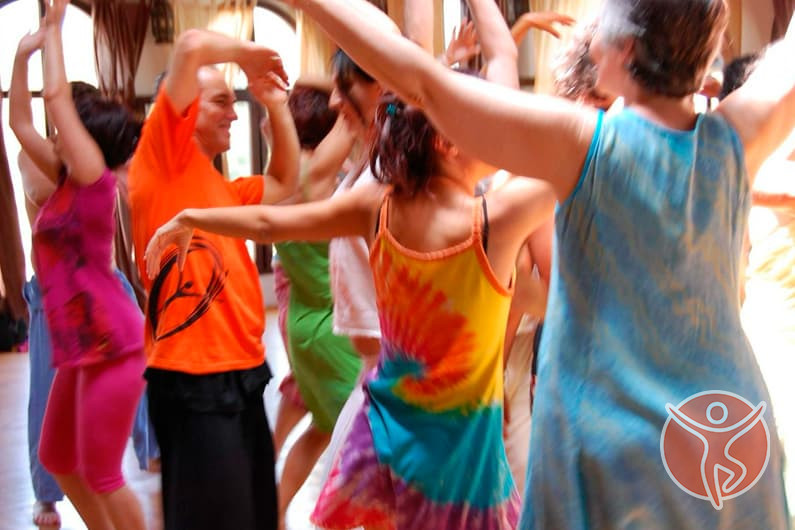
Is Biodanza the same as dancing?
Biodanza is a term that has gained popularity in recent years, but many people still wonder: Is Biodanza the same as dancing? To answer this question, it is important to understand what Biodanza is and how it differs from traditional dance. Often, the simple act of moving the body to the rhythm of music can lead us to think that it is all the same. However, there are nuances that are worth exploring.
The Biodanza is a system created by Rolando Toro in the 1960s. Unlike simply dancing for fun, Biodanza focuses on emotional connection and personal well-being. It is based on the biocentric principle, which promotes life and human development through emotions and music. This means that, although both practices involve movement and rhythm, Biodanza has a deeper purpose that goes beyond just dancing.
In a Biodanza workshop, participants not only move to the music, but also focus on their emotions and connection with others. The aim is to build self-esteem, release tension and explore deep emotions. This is something that is not found in most dance classes, where the focus can be more technical or aesthetic.
The benefits of Biodanza
The benefits of Biodanza are wide-ranging and can have a positive impact on people's lives. Regular practice of Biodanza has been shown to help reduce stress, improve mental health and increase self-esteem. This is especially relevant in today's world, where many people struggle with anxiety and daily pressure. Biodanza can be a valuable tool for learning to cope with these challenges.
In addition, Biodanza can be very beneficial for couples. Many people find it a way to strengthen their relationship. By moving together and sharing emotions, couples can improve their communication and emotional connection. This experience can be transformative, helping couples to overcome conflict and develop a stronger relationship.
On the other hand, Biodanza is also suitable for different age groups. There are workshops for Biodanza for children, where they are taught to express their emotions and communicate through movement. This practice can be a fundamental support in their emotional and social development. It is a space where they can be themselves without judgement, which is crucial in their growth.
Comparison between Biodanza and traditional dance
It is easy to confuse Biodanza with traditional dance, but there are key differences. Traditional dance generally focuses on technique, rhythm and aesthetics. Classes tend to have a more structured approach, where specific steps and movements are taught. Biodanza, on the other hand, allows for improvisation and personal expression. Here, there are no compulsory steps; the important thing is to let yourself be carried away by your emotions and the moment.
In addition, in Biodanza the connection between the participants is encouraged. In a dance class, interactions may be limited to the couple or group with whom you are dancing. In Biodanza, everyone is in the same emotional space, which creates an atmosphere of support and understanding. This is especially important for those seeking to improve their mental and emotional health, as they feel accompanied in their process.
Another important difference is the focus on personal growth. Biodanza is not only about participants having fun, but also about getting to know themselves and developing their emotional skills. Through music and movement, each person can explore their inner self and learn to manage their emotions. This aspect makes Biodanza a powerful tool for self-exploration and personal development.
Biodanza and emotions: a deep connection
Biodanza focuses on emotions, and this is one of its main attractions. Many people attend Biodanza workshops in search of a way to work on their emotions, either to overcome stress, anxiety or simply to feel more connected. Through various dynamics, participants learn to recognise and express what they feel.
This process can be liberating. Many people who have practised Biodanza have commented on how they have learned to let go of repressed emotions and embrace their vulnerability. This not only improves their emotional well-being, but also impacts positively on their daily lives. By becoming more aware of their emotions, they can better manage their relationships and their environment.
Biodanza is also related to mental health. By encouraging emotional expression and connection with others, it helps to reduce feelings of loneliness and isolation, which are common problems in today's society. Biodanza sessions offer a safe space where each person can be listened to and accepted, which can be a relief in difficult times.
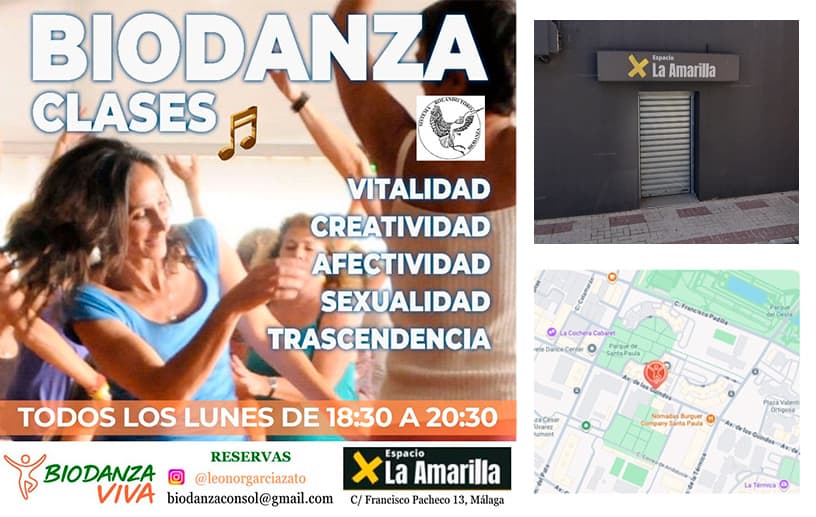
Live the experience of Biodanza in Malaga: connect with your joy, release your authenticity and transform your energy in a unique space. Book your place and start today.
y en C. Venus 22, Arroyo de la Miel, Benalmádena
